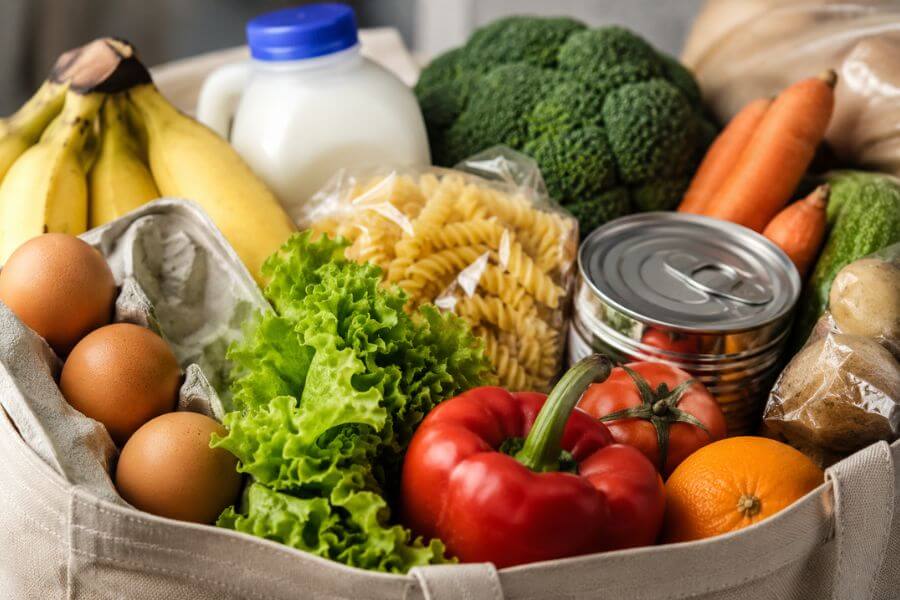
Grocery prices have gone up fast over the last few years, and many families feel the pressure every time they walk into a store. Staples like eggs, meat, dairy, and even snacks can cost much more than they used to. If your grocery bill keeps growing even though you are buying the same items, you are not alone.
The good news is that you do not have to stop eating well or cut out everything you enjoy. A few smart habits can help you stretch your money much further without making your life harder. The key is learning how to shop with intention, avoid waste, and make your grocery budget stronger against inflation.
In this guide, you will learn the best ways to inflation-proof your grocery budget right now so you can spend less, waste less, and still keep your kitchen stocked with meals your family enjoys.
Quick Summary Table 💰
| Strategy | Why It Works | Best Benefit |
|---|---|---|
| Shop With a Weekly Meal Plan | Prevents random purchases | Cuts waste |
| Buy Store Brands | Lower prices for similar quality | Instant savings |
| Use Grocery Store Apps | Unlocks digital deals and rewards | Better discounts |
| Cook More From Scratch | Reduces expensive convenience foods | Lower cost per meal |
| Stock Up During Sales | Helps avoid future price hikes | Long-term savings |
| Buy Frozen Produce | Lasts longer and reduces waste | Better value |
| Limit Impulse Purchases | Keeps spending under control | Protects budget |
| Compare Price Per Unit | Helps find the true cheapest option | Smarter shopping |
| Reduce Meat in Some Meals | Meat prices rise quickly | Big weekly savings |
| Shop Your Pantry First | Uses food you already own | Less food waste |
How We Ranked These Tips 📊
We ranked these grocery-saving strategies based on the factors below:
- How easy the tip is to start right away
- How much money it can realistically save
- Whether it works for families and single shoppers
- Long-term effectiveness during inflation
- Ability to reduce food waste
- Flexibility for different lifestyles and diets
- Practical value for everyday grocery shopping
1. Shop With a Weekly Meal Plan 🥗
One of the fastest ways to lower your grocery spending is to create a simple meal plan before you shop. When you walk into a grocery store without a plan, it becomes easy to buy random items that do not turn into complete meals.
Meal planning helps you focus only on what you need. You stop buying duplicate ingredients and avoid wasting food that expires before you use it.
Start by planning three to five dinners for the week. Then build your shopping list around those meals. Choose recipes that use overlapping ingredients so nothing goes unused. For example, if you buy spinach for pasta one night, use the rest in sandwiches or omelets later in the week.
Meal planning also reduces expensive last-minute takeout orders because you already know what you are cooking each day.
Simple planning can save hundreds of dollars over the course of a year while making grocery shopping less stressful.
2. Buy More Store Brands 🏷️
Many shoppers still assume name-brand foods are always better, but that is often not true. Store-brand products have improved a lot in quality while staying much cheaper than national brands.
In many cases, store brands are made in the same factories as expensive name-brand products. The packaging changes, but the quality may be very similar.
Switching to store-brand items for basics like cereal, pasta, canned vegetables, flour, milk, and snacks can lower your grocery bill immediately.
You do not have to replace every item at once. Start with a few basics and compare them yourself. Most people notice little or no difference.
When inflation pushes prices higher, store brands become one of the easiest ways to protect your grocery budget without changing your eating habits too much.
3. Use Grocery Store Apps and Rewards Programs 📱
Many grocery stores now offer digital coupons, loyalty rewards, cashback offers, and app-only discounts. Ignoring these tools means leaving money on the table.
Before shopping, spend a few minutes checking your store’s app. Clip digital coupons and look for weekly specials. Some stores even personalize discounts based on your shopping habits.
Rewards programs can also help you earn fuel points, free groceries, or cashback over time.
Another benefit is price tracking. Store apps often show upcoming deals so you can plan purchases around sales instead of paying full price.
If you regularly shop at the same store, using its rewards system consistently can lead to noticeable monthly savings with very little effort.
4. Cook More Meals From Scratch 🍲
Convenience foods may save time, but they often cost much more. Pre-cut fruit, frozen ready-made meals, bottled sauces, and packaged snack kits usually carry high markups.
Cooking from scratch gives you more food for less money. It also helps you control ingredients and portion sizes.
You do not need to prepare complicated meals every night. Even simple homemade dishes like soups, pasta, rice bowls, tacos, and casseroles can stretch your grocery budget much further than processed convenience foods.
Batch cooking helps even more. Make larger portions and save leftovers for lunches or future dinners. This reduces waste and lowers the temptation to order takeout.
The more basic cooking skills you develop, the easier it becomes to handle rising grocery prices without sacrificing meal quality.
5. Stock Up on Essentials During Sales 🛍️
Inflation often causes prices to rise gradually over time. Buying non-perishable items during sales helps protect you from future increases.
When staples like pasta, rice, canned goods, paper towels, coffee, or peanut butter go on sale, buy extra if your budget allows. This creates a small home stockpile that reduces future spending.
The key is focusing on items you already use regularly. Buying random sale items usually leads to clutter and waste.
You should also pay attention to seasonal sales cycles. Certain foods become cheaper at different times of the year. Learning those patterns helps you buy smarter throughout the year.
Building a small pantry reserve can make your grocery budget more stable, even when prices suddenly jump.
6. Buy Frozen Fruits and Vegetables ❄️
Fresh produce is healthy, but it can spoil quickly. Throwing away spoiled food is like throwing away money.
Frozen fruits and vegetables solve that problem because they last much longer and are often cheaper than fresh options. They are also picked and frozen at peak freshness, which helps preserve nutrients.
Frozen berries work great in smoothies or oatmeal. Frozen vegetables can easily be added to soups, stir-fries, pasta dishes, and casseroles.
Another advantage is flexibility. You can use only what you need and save the rest for later.
If rising produce prices are hurting your budget, frozen options can help you eat healthy while cutting waste significantly.
7. Limit Impulse Purchases 🚫
Impulse buying is one of the biggest grocery budget killers. Small extras may not seem expensive in the moment, but they add up quickly.
Stores are designed to encourage impulse spending. Candy near checkout lines, snack displays, and promotional end caps are meant to tempt shoppers into buying more.
A simple shopping list helps you stay focused. Eat before shopping so hunger does not influence your decisions. You can also set a spending limit before entering the store.
Another smart trick is using a basket instead of a cart for shorter trips. Limited space naturally reduces unnecessary purchases.
Cutting just a few impulse items from every grocery run can save a surprising amount over time.
8. Compare Prices by Unit, Not Package 📏
Bigger packages are not always better deals. Some smaller products actually cost less per ounce or per pound.
Most grocery stores display unit pricing on shelf tags. This small number helps you compare the true cost of products regardless of package size.
For example, one cereal box may look cheaper at first glance, but another box could contain much more product for only a slightly higher price.
Learning to compare unit prices helps you become a smarter shopper and prevents marketing tricks from affecting your choices.
This habit becomes especially valuable during inflation because manufacturers sometimes shrink package sizes while keeping prices the same.
9. Reduce Meat in Some Meals 🌮
Meat prices are often hit hard by inflation. Even reducing meat consumption a few times each week can create major grocery savings.
You do not need to become a vegetarian to save money. Try adding more affordable protein sources like beans, lentils, eggs, chickpeas, or tofu into your meal rotation.
Meals like bean chili, vegetable pasta, rice bowls, soups, and breakfast-for-dinner recipes can still feel filling and satisfying.
Another option is using smaller portions of meat combined with other ingredients. For example, add extra vegetables or beans to the taco meat to stretch it further.
Reducing meat strategically helps lower grocery costs while adding variety to your meals.
10. Shop Your Pantry Before the Store 🥫
Many people buy groceries without checking what they already have at home. This leads to duplicate purchases and forgotten food that expires later.
Before creating your shopping list, look through your pantry, freezer, and refrigerator. Build meals around ingredients you already own.
You may discover half-used pasta, canned beans, frozen vegetables, rice, or sauces that can easily become meals.
A pantry-first approach reduces waste and lowers how much you need to buy each week.
Some families even create “use what you have” nights once a week to clear out leftovers and older ingredients before shopping again.
Using food efficiently is one of the smartest ways to fight rising grocery costs.
Conclusion ✅
Inflation can make grocery shopping feel frustrating, but you still have more control than you may think. Small changes in how you plan, shop, and cook can protect your budget without forcing you to give up good meals.
The best approach is consistency. You do not need to use every strategy perfectly overnight. Start with two or three habits that feel easiest for your lifestyle and build from there.
Meal planning, buying store brands, using frozen produce, avoiding impulse purchases, and cooking more at home can create steady savings that grow month after month.
The goal is not just spending less today. It is creating grocery habits that continue working for you even when prices keep changing.
Frequently Asked Questions ❓
How much should you budget for groceries each month?
Your grocery budget depends on household size, location, and eating habits. Many families aim to keep grocery spending between 10 percent and 15 percent of their monthly income. Tracking your spending for a few months can help you find a realistic target.
Is shopping online cheaper than shopping in-store?
Online grocery shopping can help reduce impulse purchases because you stick more closely to your list. However, delivery fees and price markups may increase total costs. Comparing both options can help you decide which works best for your budget.
Are warehouse clubs worth it during inflation?
Warehouse clubs can save money on bulk items you use regularly. They work best for large families or shoppers with enough storage space. Buying too much of something you will not use can cancel out the savings.
What foods usually increase the most during inflation?
Meat, dairy, eggs, packaged snacks, and processed foods often experience larger price increases during inflation. Seasonal produce prices may also rise depending on weather and supply chain issues.
How can you avoid wasting groceries at home?
Store food properly, rotate older items to the front, freeze leftovers when possible, and plan meals around ingredients you already own. Keeping a simple inventory of pantry staples can also help reduce forgotten food.