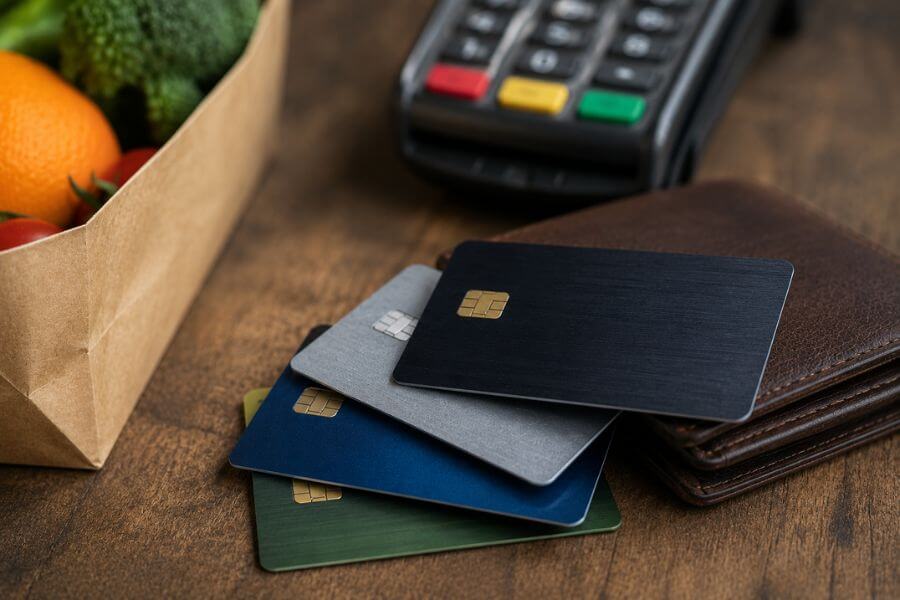
Imagine getting a small discount on everything you buy without having to clip paper coupons or search for online coupon codes. That is exactly how cash-back credit cards work. Every single time you swipe your plastic card, tap your phone, or type your card numbers during online checkouts, the bank gives you a percentage of your money back. Over a single year, these small amounts grow into hundreds of dollars that you can use to buy video games, pay for streaming services, or save for a big summer trip.
This detailed guide will break down the absolute top options on the market right now. You will learn how different reward setups operate, how to pick the perfect match for your unique shopping habits, and how to use your new card responsibly so you never owe extra money to the bank.
Key Takeaways
- Free Money on Regular Spend: Cash-back credit cards give you between one percent and six percent back on items you already buy like snacks, gas, and clothes.
- Zero-Fee Options Win: Many of the absolute top-rated reward cards cost zero dollars per year to keep in your wallet.
- Match Cards to Your Habits: Spenders who buy lots of food at supermarkets benefit from specialized reward categories, while people who buy many different random items prefer a single flat-rate setup.
- Pay the Full Bill Monthly: To get the true benefit of these financial tools, you must pay your entire statement balance every month so interest charges do not cancel out your rewards.
Understanding How Cash Back Works
Before looking at the specific card options, it helps to understand how these financial tools actually function under the hood. When you buy something at a store, the store owner pays a tiny fee to the credit card network to process that transaction. Credit card companies take a portion of that processing fee and give it back to you as an incentive to keep using their specific card.
The money you earn accumulates in your credit card account over time. Usually, you can see your total rewards balance grow each month when your billing statement becomes available. Most banks provide several clear choices for how you can use your accumulated cash.
Statement Credits
This is one of the most common methods to redeem your earnings. The bank simply subtracts your rewards balance from the amount of money you owe on your credit card. For example, if your monthly bill is one hundred dollars and you have twenty-five dollars in cash rewards, you can apply those rewards to your bill so you only have to pay seventy-five dollars out of your own pocket.
Direct Deposits
If you prefer to see actual cash drop into your personal bank account, you can link your checking or savings account to your credit card dashboard. The credit card company will electronically move your rewards money straight into your bank account. From there, you can spend it like regular cash or let it sit and grow as part of your personal emergency savings.
Physical Checks
Some individuals still love the feeling of holding a physical piece of paper. Many credit card companies will happily print a physical check for your total rewards amount and mail it straight to your home address. You can then take that check to your local bank branch or scan it with your smartphone camera to deposit the funds.
Gift Cards and Online Shopping
Many modern card setups allow you to trade your rewards points for digital gift cards at popular clothing stores, gaming platforms, or restaurants. Sometimes, you can even link your credit card directly to major online shopping websites so you can pay for items in your digital shopping cart using your rewards points instead of real money.
The Main Types of Cash-Back Credit Cards
Not all cash-back cards use the same rules to calculate your financial rewards. Banks structure their reward programs in three main formats to appeal to different types of spenders. Understanding these three groups is vital to choosing the single best setup for your personal wallet.
Flat-Rate Reward Cards
These are the most straightforward options available today. A flat-rate card rewards you with the exact same percentage on every single purchase you make, regardless of where you shop or what you buy. Whether you buy a slice of pizza at a local shop, buy a pair of shoes online, or pay for a monthly music subscription, you receive an identical reward rate. The standard rate for a quality flat-rate option is two percent back on all purchases. These setups require very little thought because you never have to memorize which store earns the highest rate.
Tiered Reward Cards
Tiered cards offer higher reward percentages on specific types of spending and a lower background rate on everything else. For instance, a tiered card might give you three percent back when you buy food at grocery stores, three percent back when you eat at restaurants, and one percent back on all other random purchases. These options are highly lucrative if you spend a massive amount of your monthly budget on specific necessities like fuel or food.
Rotating-Category Cards
These cards offer the highest potential reward rates, often reaching five percent back, but they require the most effort to maintain. Every three months, the bank changes the specific types of stores that qualify for the high five-percent reward rate. One quarter might focus on gas stations and streaming services, while the next quarter might switch to department stores and online warehouses. To earn these high rates, you must log into your credit card mobile app every three months and manually click a button to activate the new categories. If you forget to click the activation button, you will only earn the base rate of one percent back.
Top Flat-Rate Cash-Back Cards of 2026
If you want a single card that keeps things completely straightforward, a flat-rate card is your best bet. You do not have to worry about looking up special rules before you go shopping. Here are the top performers in this category for 2026.
Wells Fargo Active Cash Card
This card is widely considered a gold standard for simple cash rewards. It delivers an unlimited two percent cash reward on all eligible purchases you make. There are no caps on how much you can earn, and your rewards will never expire as long as your credit account stays open.
A major plus for younger spenders is that this card has a zero-dollar annual fee. It also comes with an introductory sign-up bonus where you get two hundred dollars in cash rewards after spending five hundred dollars on the card within the first three months of opening the account. Additionally, if you pay your monthly phone bill with this card, you receive special cell-phone protection that covers damage or theft up to a specific dollar limit.
Citi Double Cash Card
The Citi Double Cash Card is another legendary option that gives you a total of two percent back on everything you buy, but it uses a slightly unique mechanism to encourage good financial habits. You earn the first one percent back at the exact moment you make a purchase at a store. Then, you earn the remaining one percent back when you pay off that purchase on your monthly credit statement.
This setup costs zero dollars per year to maintain and frequently features a sign-up bonus where you can secure two hundred dollars after spending fifteen hundred dollars within your first six months. It is an amazing option for anyone who wants to hold themselves accountable to paying their bills on time every month.
Capital One Quicksilver Cash Rewards Card
While this card pays a slightly lower rate of 1.5 percent back on everyday purchases, it remains highly popular due to its excellent user experience and flexible credit requirements. It has a zero-dollar annual fee and gives you a clear, unlimited reward structure.
The biggest advantage of the Quicksilver card is that it charges zero foreign-transaction fees. Many other credit cards charge a penalty fee of around three percent if you buy something while traveling outside the United States or if you buy an item from an international online store. This feature makes the Quicksilver an awesome pick for teenagers or college students who plan to study abroad or take international vacations.
Top Tiered Cash-Back Cards of 2026
If you know exactly where your money goes every month, you can use a tiered card to beat the standard two-percent flat rate. By targeting the stores you visit most often, your total cash pile can grow much faster.
Capital One Savor Cash Rewards Card
This card is built specifically for people who love food, fun, and hanging out with friends. It provides an unlimited three percent back at grocery stores, restaurants, popular streaming platforms, and entertainment venues like movie theaters or theme parks. For all other non-food purchases, the card pays a standard one percent back.
The Savor card features a zero-dollar annual fee and gives you an instant two hundred-dollar bonus after you spend five hundred dollars in your first three months. It is an incredibly popular card for college students and young adults who spend a large portion of their weekend budgets dining out or hanging out at entertainment spots.
Blue Cash Everyday Card from American Express
American Express designed this card to master the main pillars of everyday household spending. You receive a generous three percent back at United States supermarkets, three percent back at domestic gas stations, and three percent back on online retail purchases made at United States stores. This third category is huge for anyone who orders clothes, tech gadgets, or household gear online.
The three-percent reward rate applies to the first six thousand dollars you spend in each specific category every year. Once you pass that spending limit, the rate drops to one percent for the remainder of that year. The card costs zero dollars annually and provides a great way to earn premium rewards on your primary living expenses.
Chase Freedom Unlimited
The Chase Freedom Unlimited is a hybrid card that mixes flat-rate rewards with powerful tiered categories. You get an unlimited three percent back on dining at restaurants, which includes takeout and food delivery apps. You also get three percent back at drugstores, five percent back on travel tickets booked through the dedicated Chase online travel system, and a background rate of 1.5 percent back on every other single item you buy.
With a zero-dollar annual fee and a reliable two hundred-dollar sign-up bonus, this card is a fantastic foundational piece for any wallet. The 1.5 percent background rate means that even when you shop outside the special categories, you are still earning a respectable return on your money.
Top Rotating-Category Cash-Back Cards of 2026
For those who treat credit card rewards like a fun game and enjoy optimizing their strategy, rotating-category cards offer massive value. You can unlock the highest percentages on the market if you are willing to stay organized.
Discover it Cash Back
Discover is famous for providing top-tier customer service and an incredibly unique rewards match program. This card grants you five percent cash back on up to fifteen hundred dollars of combined spending in quarterly categories that change throughout the year. In the past, these categories have included daily essentials like target stores, grocery stores, gas stations, and digital wallets.
There is a zero-dollar annual fee, but the real magic happens at the completion of your very first year. Discover will automatically match all the cash back you earned during those first twelve months. If you earn two hundred dollars in rewards through your normal spending, Discover will give you another two hundred dollars as a gift, bringing your total first-year reward to four hundred dollars.
Chase Freedom Flex
The Chase Freedom Flex functions similarly to the Discover option but adds permanent tiered perks on top of the rotating categories. You get the same five percent back on quarterly rotating categories after activation on up to fifteen hundred dollars in spending. However, you also get a permanent three percent back on dining and drugstores, alongside five percent back on Chase travel bookings.
This card costs zero dollars per year and provides a massive opportunity to stack rewards. If you keep track of the calendar and use this card precisely where it scores five percent back, your yearly earnings will accumulate rapidly.
Comprehensive Card Comparison
Choosing a card requires looking at all the main features side by side. The following comparison table highlights the core traits of the absolute best cash-back credit cards in 2026 to help you visually sort through your options.
| Card Name | Annual Fee | Main Reward Rates | Welcome Bonus | Best Fit For |
| Wells Fargo Active Cash | $0 | Unlimited 2% on all purchases | $200 after spending $500 in 3 months | Spenders who want maximum simplicity |
| Citi Double Cash | $0 | 1% at purchase + 1% at payment | $200 after spending $1,500 in 6 months | People building consistent monthly payment habits |
| Capital One Quicksilver | $0 | Unlimited 1.5% on all purchases | $200 after spending $500 in 3 months | International travelers avoiding extra fees |
| Capital One Savor | $0 | 3% on dining, groceries, and entertainment | $200 after spending $500 in 3 months | Social spenders who spend heavily on food |
| Amex Blue Cash Everyday | $0 | 3% on U.S. groceries, gas, and online shopping | Up to $200 back based on special offers | Suburban drivers and online shopping fans |
| Chase Freedom Unlimited | $0 | 3% on dining/drugstores, 1.5% on everything else | $200 after spending $500 in 3 months | People who want a high baseline rate with perks |
| Discover it Cash Back | $0 | 5% on rotating quarterly categories | Full cash match at the end of year one | Organized planners maximizing high rates |
| Chase Freedom Flex | $0 | 5% on rotating categories, 3% on dining | $200 after spending $500 in 3 months | Advanced reward seekers stacking bonuses |
Strategic Ways to Maximize Your Cash Back
Once you pick out a credit card, you can use specific tactics to make sure you grab every single dollar of rewards available to you. Expert reward earners use these habits to optimize their personal finances.
The Two-Card Combination Strategy
You do not have to limit yourself to holding just one credit card. Many smart consumers use a team of two different cards to get the absolute highest rewards possible. For example, you could pair the Capital One Savor card with the Wells Fargo Active Cash card.
When you go to a grocery store or hang out at a restaurant, you pull out your Capital One Savor card to get the full three percent back on food. When you need to pay for a doctor visit, buy gas, or purchase a movie ticket online, you pull out your Wells Fargo Active Cash card to secure two percent back instead of dropping down to a basic one percent rate. This simple tag-team technique keeps your reward rates high on every single transaction.
Utilize Digital Shopping Portals
Many major banks operate their own private digital shopping portals on their website dashboards. Before you buy clothes or electronics online, log into your credit card account and check if your favorite online store is listed in their portal. If you click the link inside your bank dashboard to visit that store, the bank will often award you an extra two percent to ten percent cash back on top of your card’s normal reward rate.
Pay Attention to Spending Limits
Many tiered and rotating cards have strict caps on their high reward rates. For instance, if a card limits your three-percent grocery rewards to the first six thousand dollars spent per year, you need to track your spending. If you hit that limit in October, you should consider switching your grocery spending to a flat-rate two-percent card for November and December so you do not get stuck earning a low one percent back.
Sync Bills with Your Reward Cards
Think about all the recurring payments you make every month. Subscriptions for music, video streaming, gym memberships, and mobile phone plans can usually be paid with a credit card. By linking these recurring bills straight to your favorite cash-back card, you automatically accumulate cash rewards every month without even having to take your wallet out of your pocket.
Pitfalls to Avoid with Cash-Back Credit Cards
While earning cash back sounds like an unmitigated win, credit cards can become dangerous if you do not follow strict rules of personal responsibility. The card companies make money when users make mistakes, so you must stay alert to avoid these common traps.
The Danger of Carrying a Balance
This is the single most critical lesson in personal finance. A credit card is not free money; it is a temporary loan. If you spend one hundred dollars on a card, you must pay that exact one hundred dollars back when the monthly bill arrives. If you only pay the minimum required payment, the bank will charge you a massive penalty called interest.
The average credit card interest rate is over twenty percent per year. If you earn two percent cash back on a purchase but pay twenty percent interest because you did not pay your bill in full, you are losing a massive amount of money. Interest charges will instantly wipe out any rewards you earned.
Overspending to Earn Rewards
It can be easy to fall into the psychological trap of buying items you do not need just because you want to watch your cash-back balance climb. Remember that spending one hundred dollars to get two dollars back still means you spent ninety-eight real dollars. Always treat your credit card exactly like a debit card. If you do not have the physical money sitting in your checking account right now, do not buy the item with your credit card.
Forgetting to Activate Categories
If you select a rotating-category card like the Chase Freedom Flex or Discover it Cash Back, you must build a routine around the calendar. Set a repeating digital reminder on your smartphone for the first day of January, April, July, and October. This reminder will tell you to log into your account and turn on your new five-percent reward categories. Missing this step means leaving a significant pile of cash on the table.
Letting Rewards Expire
While the top cards highlighted in this guide feature rewards that do not expire, some smaller local bank cards or store-specific credit cards have expiration dates on their points. Make it a habit to redeem your cash rewards at least once every few months. Cash sitting in a credit card rewards balance does not earn interest for you, so it is always better to move that money into your personal savings account where it can grow.
How to Apply for Your First Cash-Back Card
If you feel ready to select your card and begin earning rewards, the application process is relatively simple. However, taking a few preparatory steps will greatly increase your chances of getting approved by the bank.
Check Your Credit Score First
Banks look at your personal credit history to decide if you are a trustworthy borrower. Your credit score is a three-digit number that sums up how well you have handled money in the past. If you have never had a loan or a credit card before, you might have what experts call a thin credit file, which means you have no score yet.
To qualify for top-tier cards like the Wells Fargo Active Cash or American Express Blue Cash Everyday, you generally need a good to excellent credit score, which translates to a number above 670. If your score is lower, you might need to look at student credit cards or starter cards first to build up your history.
Gather Your Personal Information
When you fill out an online application on a bank’s official secure website, they will ask you for specific details to confirm your identity and financial stability. You will need to provide your full legal name, home address, date of birth, social security number, and your total yearly income. If you are a teenager over the age of eighteen or a college student, you can often include money from scholarships, grants, or allowance from parents as part of your total income figure.
Read the Terms and Summary Table
Before you click the final submit button on an application, the bank will display a standardized text box called a Schumer Box. This box uses clear formatting to list the exact interest rates, late fees, and annual fees tied to the card. Take two minutes to read this table carefully. Double-check that the annual fee says zero dollars and understand exactly what penalties you will face if you ever accidentally make a late payment.
Frequently Asked Questions
Can teenagers apply for a cash-back credit card?
An individual must be at least eighteen years old to apply for their own independent credit card in the United States. If you are under eighteen and want to start building credit or earning cash rewards, a parent or guardian can add you to their existing credit card account as an authorized user. This gives you a physical card with your name on it that links directly to their account, allowing you to learn how card spending works under adult supervision.
Does earning cash back mean I have to pay taxes on that money?
The Internal Revenue Service views credit card cash-back rewards as a discount on a purchase rather than actual earned income. Because it is treated as a post-purchase price reduction, you do not have to report your cash-back earnings on your yearly tax forms, and you do not owe any income tax on that money. The only rare exception is if a bank gives you a sign-up bonus just for opening an account without requiring you to spend any money first, which is highly uncommon for credit cards.
Is it bad for my credit score to open multiple cash-back cards?
When you submit an application for a new credit card, the bank performs a formal check on your credit history, which causes a temporary drop of a few points in your overall credit score. If you apply for three or four cards in a single week, it looks reckless to banks and can hurt your score significantly. However, if you space out your applications by waiting six months or a year between each new card, opening multiple accounts actually helps your score long-term by increasing your total available credit limit and proving you can manage multiple accounts responsibly.
What happens to my cash back if I return an item to the store?
If you buy a fifty-dollar jacket on your card, you will instantly earn cash-back rewards on that fifty-dollar purchase. However, if you take that jacket back to the store a week later and get a full refund credited to your card, the bank will automatically subtract the corresponding cash rewards from your account balance. If you have already spent those rewards, your cash-back balance can actually drop into a negative number until you buy more items to break even.
Is there a limit to how much total cash back I can accumulate?
For flat-rate cards like the Wells Fargo Active Cash or Citi Double Cash, there is absolutely zero limit to how much you can earn. You could spend hundreds of thousands of dollars and receive your full two-percent reward on every single cent. For tiered or rotating cards, specific high-percentage categories usually have strict caps, such as a five-percent reward limit on your first fifteen hundred dollars of quarterly spending. Once you blast past those specific caps, your earning rate simply drops down to the standard one percent rate for all future purchases in that category.