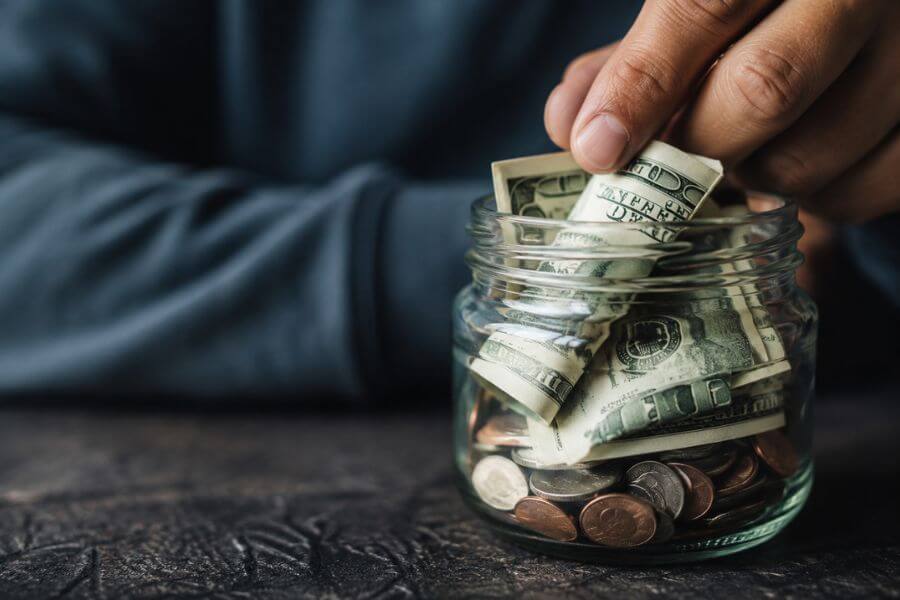
Building an emergency fund can feel almost impossible when your income changes from week to week. One month you may earn more than expected, while the next month feels slow and unpredictable. As a gig worker, freelancer, rideshare driver, delivery worker, or independent contractor, you do not always have the safety net that traditional employees often rely on.
That is exactly why an emergency fund matters so much.
An emergency fund gives you breathing room when work slows down, your car needs repairs, medical bills appear, or unexpected expenses hit your budget. The good news is that you do not need a huge salary to build one. You simply need smart systems, steady habits, and strategies that fit the gig economy lifestyle.
In this guide, you will learn the smartest ways gig workers can build an emergency fund faster without making life miserable or cutting every small joy from their budget.
Quick Summary Table 📊
| Strategy | Why It Works | Best For |
|---|---|---|
| Automate small transfers | Builds savings consistently | Beginners |
| Save a percentage of every payout | Adjusts with income changes | Freelancers and delivery workers |
| Create a separate emergency account | Reduces temptation to spend | Everyone |
| Use high-income weeks wisely | Speeds up savings growth | Seasonal earners |
| Cut invisible spending leaks | Frees up extra cash quickly | Workers on tight budgets |
| Stack multiple gig apps strategically | Increases income stability | Full-time gig workers |
| Build mini savings milestones | Keeps motivation high | People who struggle with consistency |
| Save windfalls immediately | Boosts savings fast | Tax refunds and bonuses |
| Lower your biggest monthly bills | Creates long-term savings room | Workers with unstable income |
| Treat savings like a required bill | Builds discipline automatically | Long-term financial stability |
How We Ranked These Strategies 🧠
We ranked these emergency fund strategies based on the factors that matter most to gig workers:
- Speed of building savings
- Flexibility during income changes
- Ease of starting with little money
- Long-term sustainability
- Low stress and realistic budgeting
- Ability to work with unpredictable pay
- Effectiveness during economic slowdowns
- Practicality for everyday workers
- Reduced financial risk
- Simple habits that are easy to maintain
1. Automate Small Transfers After Every Payday ⚙️
One of the smartest things you can do is remove willpower from the process. If you wait until the end of the month to save whatever is left, there is usually not much remaining.
Instead, automate small transfers every time you get paid.
Even saving $10, $20, or $50 after every payout can add up surprisingly fast. Gig workers often receive multiple payments each week, which creates more opportunities to save in smaller amounts without feeling overwhelmed.
This method works because the money leaves your checking account before you have the chance to spend it.
For example:
- Save 5 percent after every delivery payout
- Transfer $25 after each freelance project
- Move $15 after every rideshare shift
The amount matters less than consistency at the beginning. Small automated habits create momentum and make saving feel normal instead of painful.
2. Save a Percentage Instead of a Fixed Amount 📈
Traditional budgeting advice often tells people to save the same amount every month. That does not always work well for gig workers because income can swing wildly from one week to another.
A smarter approach is to save a percentage of what you earn.
For example:
- Save 10 percent during slow weeks
- Save 20 percent during strong weeks
- Increase your percentage during holiday seasons or peak demand periods
This system adapts to your real income and prevents the frustration of missing unrealistic savings goals.
When your income rises, your savings rise automatically. When income dips temporarily, you can still contribute without putting yourself under financial pressure.
This flexible method keeps you moving forward without burning out.
3. Open a Separate Emergency Savings Account 🏦
Keeping emergency savings in the same account you use for daily spending is risky. It becomes too easy to dip into the money for takeout, shopping, or entertainment.
A separate account creates a mental barrier.
You do not need anything fancy. A simple savings account dedicated only to emergencies works well. The key is making the money slightly harder to access instantly.
Your emergency fund should be reserved for real emergencies like:
- Medical bills
- Car repairs
- Rent shortages
- Phone or laptop replacement
- Unexpected travel
- Slow work periods
Separating your savings also helps you track progress more clearly. Watching the balance grow can motivate you to keep going.
4. Use High-Income Weeks to Your Advantage 🚀
Gig income often comes in waves. Some weeks are incredibly busy while others slow down unexpectedly.
Many workers make the mistake of increasing spending during strong earning periods instead of building protection for slower months.
The smartest move is to take advantage of high-income weeks immediately.
When you earn more than usual:
- Save a larger percentage
- Avoid lifestyle inflation
- Pretend part of the extra income never arrived
- Build momentum quickly while demand is high
For example, rideshare drivers may earn significantly more during holidays, events, or tourist seasons. Freelancers may land large projects unexpectedly. Delivery workers may earn extra during bad weather or weekends.
Those income spikes can dramatically accelerate your emergency fund if you stay disciplined.
5. Find and Cut Invisible Spending Leaks 🔍
Many gig workers focus only on earning more money while ignoring small spending habits quietly draining their income.
Invisible spending leaks are dangerous because they often go unnoticed.
Common examples include:
- Subscription services you forgot about
- Daily convenience purchases
- Frequent food delivery
- High bank fees
- Expensive phone plans
- Unused memberships
- Impulse online shopping
You do not need to cut every enjoyable expense. The goal is identifying waste that does not truly improve your life.
Even reducing spending by $5 to $10 per day could free up hundreds of dollars every month for your emergency fund.
That extra money creates security much faster than most people realize.
6. Stack Multiple Gig Platforms Strategically 📱
Depending on a single app or client can be financially dangerous. If demand drops or your account gets suspended temporarily, your income can disappear overnight.
Many successful gig workers reduce this risk by stacking multiple income sources.
Examples include:
- Combining rideshare driving with food delivery
- Freelancing on several platforms
- Mixing part-time remote work with gig jobs
- Using weekend side gigs for extra savings
This strategy helps smooth out income fluctuations and creates more consistent cash flow.
You do not necessarily need to work more hours forever. Sometimes having multiple options simply helps you earn more efficiently during high-demand periods.
Many gig workers dedicate one entire income stream directly toward savings goals, which can speed up emergency fund growth dramatically.
7. Build Mini Savings Goals Instead of One Huge Goal 🎯
Saving several months of expenses can feel overwhelming when you are starting from zero.
That is why smaller milestones work better psychologically.
Instead of focusing immediately on a massive target, break your emergency fund into stages:
- First $100
- First $500
- First $1,000
- One month of expenses
- Three months of expenses
- Six months of expenses
Each milestone creates a sense of progress and accomplishment.
Many people quit because the final number feels too far away. Smaller goals keep motivation alive and help you stay consistent during slower income periods.
Celebrate progress responsibly when you hit milestones. Even small wins matter financially and mentally.
8. Save Windfalls Immediately 💵
Unexpected money can become a powerful emergency fund booster if you act quickly.
Common windfalls include:
- Tax refunds
- Large tips
- Bonuses
- Referral rewards
- Cashback earnings
- Holiday gifts
- Extra freelance projects
The mistake many people make is mentally spending the money before it arrives.
Instead, decide ahead of time that a percentage of every unexpected payment goes directly into savings.
For example:
- Save 75 percent of tax refunds
- Save all referral bonuses
- Save half of unusually large freelance payments
Windfalls create some of the fastest emergency fund growth because they usually do not affect your normal monthly budget.
9. Reduce Your Biggest Monthly Expenses 🏠
Cutting tiny expenses helps, but reducing major monthly bills creates a much bigger long-term impact.
The largest expenses usually include:
- Housing
- Transportation
- Insurance
- Food
- Phone service
Even modest reductions can create hundreds of extra dollars every month.
Examples include:
- Refinancing or downsizing your vehicle
- Shopping for cheaper insurance
- Getting a roommate temporarily
- Negotiating bills
- Cooking at home more often
- Switching to a lower-cost phone plan
Lower fixed expenses also reduce the total size of the emergency fund you need.
If your monthly bills are lower, you can survive longer during slow income periods with less savings.
10. Treat Emergency Savings Like a Mandatory Bill 🧾
Most people pay rent, utilities, and phone bills before spending money on entertainment. Your emergency fund should receive the same treatment.
The smartest savers stop thinking about savings as optional.
Instead, they build it directly into their financial routine.
This mindset shift changes everything.
When savings become non-negotiable:
- You plan spending around it
- You become more intentional with money
- You avoid relying on credit cards during emergencies
- You create long-term financial stability
Even if you start with very small amounts, treating savings as mandatory builds discipline that compounds over time.
The habit matters more than perfection.
Conclusion 🌟
Building an emergency fund as a gig worker may feel harder because your income can change constantly, but it is absolutely possible with the right approach.
The biggest mistake is waiting for the perfect time to start saving. There will always be expenses, slower weeks, and unexpected challenges. The key is building systems that work even when income is unpredictable.
Small automatic transfers, percentage-based savings, cutting wasteful spending, and using high-income periods wisely can help you build financial protection faster than you expect.
Remember that emergency funds are not about becoming rich overnight. They are about creating stability, reducing stress, and giving yourself options when life becomes unpredictable.
Even a small emergency fund can make a huge difference during difficult times. The sooner you start, the sooner you create financial breathing room for yourself.
Frequently Asked Questions ❓
How much should gig workers keep in an emergency fund?
Most financial experts recommend saving at least three to six months of essential expenses. However, gig workers often benefit from aiming closer to six months because income can fluctuate more unpredictably than in traditional jobs.
Should I pay off debt or build an emergency fund first?
In many cases, it is smart to do both at the same time. Start by building a small emergency fund first, even if it is only $500 to $1,000. This can help prevent new debt when unexpected expenses happen.
Where should I keep my emergency fund?
Your emergency fund should stay in a safe and accessible savings account. It should not be invested in risky assets because emergencies require quick and reliable access to cash.
What counts as a real emergency?
A real emergency is an unexpected and necessary expense that affects your health, safety, housing, transportation, or ability to earn income. Vacations, shopping, and entertainment usually do not qualify.
What if my income is too inconsistent to save regularly?
Start extremely small if needed. Even saving a few dollars consistently builds the habit. Percentage-based saving methods work especially well for people with unpredictable income because the amount adjusts automatically with earnings.