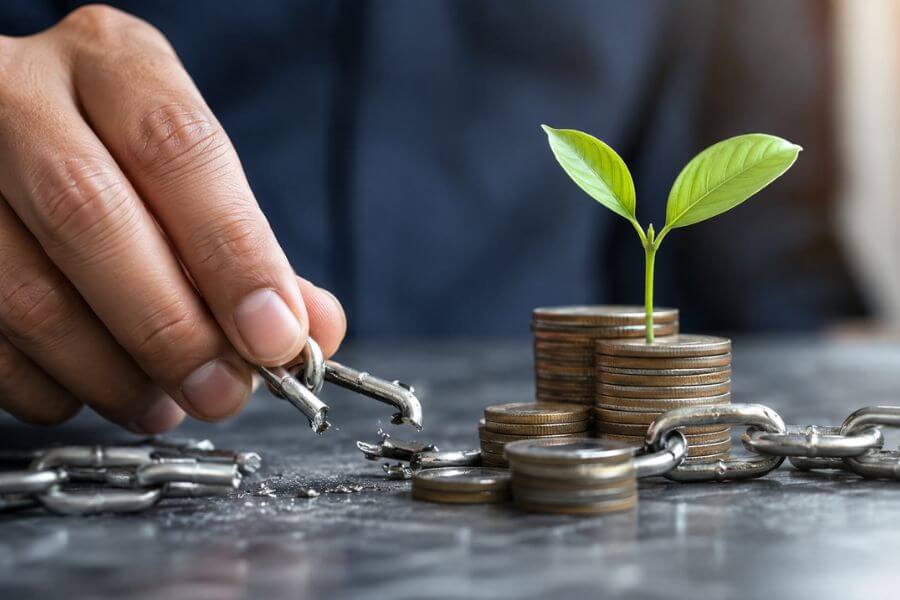
Going through bankruptcy can feel overwhelming, but it does not mean your financial life is over. In many cases, bankruptcy gives you a chance to reset, rebuild, and create smarter money habits for the future. The road back may take time, but small and steady steps can make a huge difference.
When you focus on improving your credit, controlling spending, and building savings little by little, you can recover financially stronger than before. The key is to stay patient and avoid trying to fix everything overnight.
This guide covers the 10 best ways to rebuild your finances after bankruptcy so you can regain confidence, improve your money situation, and move toward long-term financial stability.
Quick Summary Table 📊
| Strategy | Main Benefit | Difficulty Level | Time to See Results |
|---|---|---|---|
| Create a realistic budget | Controls spending | Easy | Immediate |
| Build an emergency fund | Prevents future debt | Medium | 3 to 12 months |
| Check your credit report | Fixes errors and tracks progress | Easy | 1 to 3 months |
| Use a secured credit card | Rebuilds credit score | Medium | 6 to 12 months |
| Pay all bills on time | Improves credit history | Easy | Ongoing |
| Avoid unnecessary debt | Protects your progress | Medium | Immediate |
| Increase your income | Speeds up recovery | Medium | 1 to 6 months |
| Set financial goals | Keeps you motivated | Easy | Ongoing |
| Learn basic financial skills | Helps prevent future mistakes | Easy | Long term |
| Stay patient and consistent | Builds lasting success | Medium | Long term |
How We Ranked These Strategies 🧠
We ranked these financial rebuilding strategies based on several important factors:
- How effective they are after bankruptcy
- How realistic they are for everyday people
- How quickly they can improve your finances
- How much they help rebuild credit
- How sustainable they are long term
- How easy they are to start with little money
- How well they reduce the risk of future financial problems
1. Create a Realistic Budget 💵
A realistic budget is one of the most important tools for rebuilding your finances after bankruptcy. Without a clear spending plan, it becomes much easier to fall back into old habits that caused financial problems in the first place.
Start by listing your monthly income and every major expense. Include housing, food, transportation, insurance, utilities, and minimum debt payments. Then look at areas where you can reduce spending without making life miserable.
The best budget is not the strictest one. It is the one you can actually follow consistently. Leave some room for entertainment and small personal expenses so you do not feel trapped.
You should also track your spending regularly. Many people underestimate how much they spend on small daily purchases. Even small cuts can free up extra money for savings or debt reduction.
A budget gives you control over your money instead of feeling like your money controls you.
2. Build an Emergency Fund 🏦
After bankruptcy, one unexpected expense can quickly create new financial stress. That is why building an emergency fund is so important.
You do not need thousands of dollars right away. Even saving a few hundred dollars can help you avoid using credit cards for emergencies. Start small and focus on consistency.
Try setting aside money automatically each payday. Even $10 to $25 per week adds up over time. The goal is to create a safety net for situations like:
- Car repairs
- Medical bills
- Job loss
- Home repairs
- Emergency travel
As your financial situation improves, aim to save at least three to six months of living expenses.
An emergency fund gives you peace of mind and reduces the chances of future debt problems.
3. Check Your Credit Report Regularly 🔍
Your credit report may contain mistakes after bankruptcy, so it is important to review it carefully.
Look for:
- Debts that should show as discharged
- Incorrect balances
- Duplicate accounts
- Accounts that do not belong to you
- Late payments reported incorrectly
Errors can hurt your credit score and slow down your recovery process. Disputing incorrect information can help improve your credit faster.
Checking your credit report also helps you track your progress over time. Watching your score slowly improve can keep you motivated during the rebuilding process.
You should make it a habit to review your credit regularly instead of avoiding it out of fear or frustration.
4. Use a Secured Credit Card Wisely 💳
A secured credit card can help you rebuild your credit after bankruptcy when used responsibly.
With a secured card, you usually provide a cash deposit that becomes your credit limit. This lowers the risk for the lender while giving you a chance to rebuild your payment history.
The key is to use the card carefully:
- Make small purchases
- Pay the balance in full each month
- Never miss a payment
- Keep your balance low
Many people make the mistake of maxing out their secured cards. That can hurt your credit instead of helping it.
Using a secured card responsibly over time can gradually improve your credit score and may eventually qualify you for better financial products.
5. Pay Every Bill on Time ⏰
Your payment history is one of the biggest factors that affect your credit score. Even one missed payment can slow down your financial recovery.
Paying bills on time shows lenders that you are becoming financially reliable again.
Set up reminders, automatic payments, or calendar alerts to avoid missing due dates. If possible, pay bills a few days early for extra safety.
Focus first on:
- Rent or mortgage
- Utilities
- Car payments
- Insurance
- Credit cards
Consistency matters more than perfection. Small positive habits repeated every month can rebuild trust with lenders over time.
6. Avoid Taking on New Unnecessary Debt 🚫
After bankruptcy, it can be tempting to use credit again too quickly. Some lenders may even target you with offers because they know you cannot file bankruptcy again immediately.
Be careful.
Only borrow money when absolutely necessary. Avoid financing expensive items, opening too many new accounts, or making emotional purchases.
Ask yourself:
- Do I truly need this?
- Can I afford the monthly payments?
- Will this help or hurt my future finances?
Learning to live below your means is one of the most powerful financial skills you can develop after bankruptcy.
The less debt you carry, the easier it becomes to save, invest, and build financial security.
7. Increase Your Income 💼
Cutting expenses helps, but increasing your income can speed up your recovery even more.
Look for ways to earn extra money, such as:
- Freelance work
- Part-time jobs
- Selling unused items
- Gig work
- Learning new job skills
- Asking for overtime
- Starting a small side business
Even temporary extra income can help you:
- Build savings faster
- Pay off remaining debt
- Improve financial stability
- Reduce stress
Focus on opportunities that fit your schedule and energy level. You do not need to work nonstop, but extra income during the rebuilding phase can make a major difference.
8. Set Clear Financial Goals 🎯
Without goals, it is easy to lose motivation during financial recovery.
Set small and realistic goals first. For example:
- Save your first $500
- Raise your credit score by 50 points
- Pay off one small debt
- Stick to your budget for three months
Then move toward bigger goals like:
- Buying a home
- Building retirement savings
- Becoming debt-free
- Starting investments
Clear goals help you stay focused and give you something positive to work toward.
Celebrate progress along the way, even if it feels small. Financial recovery is a marathon, not a sprint.
9. Learn More About Personal Finance 📚
Bankruptcy can become a valuable learning experience if you use it to improve your financial knowledge.
Spend time learning about:
- Budgeting
- Credit scores
- Saving strategies
- Investing basics
- Insurance
- Debt management
- Retirement planning
The more you understand money, the more confident your financial decisions become.
You do not need to become a financial expert overnight. Even learning one new concept each week can improve your future decisions significantly.
Financial education helps you avoid repeating the same mistakes and gives you more control over your future.
10. Stay Patient and Consistent 🌟
Rebuilding your finances after bankruptcy takes time. There is no instant fix.
Some months may feel frustrating, especially when progress seems slow. But consistency matters far more than quick results.
Small actions repeated over months and years create powerful long-term change:
- Paying bills on time
- Saving regularly
- Avoiding unnecessary debt
- Tracking spending
- Building better habits
Do not compare your financial journey to others. Focus on your own progress and keep moving forward.
Many people successfully rebuild their finances after bankruptcy and eventually achieve strong credit scores, healthy savings, and financial stability. You can too.
Conclusion 🛤️
Bankruptcy can feel like a major setback, but it can also become the starting point for a healthier financial future. The most important thing is to take steady action instead of staying stuck in shame or fear.
By creating a realistic budget, building savings, improving your credit habits, and staying disciplined with money, you can slowly rebuild your finances and regain confidence.
Progress may not happen overnight, but every smart financial decision moves you closer to stability and freedom. Stay focused, stay patient, and remember that rebuilding is completely possible.
Frequently Asked Questions ❓
How long does it take to rebuild finances after bankruptcy?
The timeline varies for everyone, but many people begin seeing financial improvement within one to two years if they consistently follow good money habits. Full recovery may take several years, depending on income, debt levels, and credit rebuilding efforts.
Can you get a credit card after bankruptcy?
Yes, many people qualify for secured credit cards shortly after bankruptcy. These cards are often easier to obtain and can help rebuild your credit when used responsibly.
Is bankruptcy the end of your credit score?
No, bankruptcy seriously impacts your credit score, but it does not destroy it forever. Many people gradually rebuild strong credit scores over time through on-time payments and responsible financial behavior.
Should you close old bank accounts after bankruptcy?
Not necessarily. If the accounts are in good standing and do not charge unnecessary fees, keeping them open may help maintain financial stability and account history.
What is the biggest mistake people make after bankruptcy?
One of the biggest mistakes is taking on new debt too quickly without changing spending habits. Repeating old financial behaviors can lead to more financial trouble in the future.