Key Takeaways
- Track Every Dollar: Knowing exactly where your money goes is the first step to beating rising prices.
- Prioritize Your Needs: Separate what you must have to survive from what you simply want to buy.
- Use the 50-30-20 Rule with a Twist: Adjust your budget percentages to give your essentials more breathing room.
- Build an Inflation Cushion: Save a little extra money each month specifically to handle sudden price jumps.
- Shop Smarter, Not Harder: Buy generic brands, shop in bulk, and use apps to find the best deals on groceries and gas.
- Review Your Budget Weekly: Prices change fast right now, so your budget needs to change with them.
Prices are going up everywhere you look. From the grocery store aisles to the gas pump, your dollar does not buy as much as it did just a year ago. It feels like your paycheck shrinks before you even get a chance to spend it. Managing your money right now feels tough, but you can take control. You do not need a degree in finance to build a plan that works. Let us dive straight into how you can protect your cash and create a realistic budget that actually stands up to high inflation in 2026.
Understanding How Inflation Changes Your Money
Before you can fix your budget, you have to understand exactly what inflation is doing to your wallet. Think of inflation as a quiet tax on your money. If you leave a dollar bill on your desk for a year, it stays a dollar bill. However, what that dollar bill can buy changes. When inflation is high, the value of your cash drops.
This means you have to work harder just to stay in the same place. If your pay stays the same while prices go up, you are actually taking a pay cut. That is why a standard budget from a few years ago will not work today. You cannot assume that your electricity bill or your grocery bill will be the same from one month to the next.
Inflation also changes how you view your savings. When you put money in a basic bank account, it might earn a tiny bit of interest. But if prices rise faster than that interest, your savings are losing purchasing power. Recognizing this reality is not meant to scare you. Instead, it is meant to help you see that budgeting right now is about survival and growth. You must change your approach to money to keep your head above water.
The Ultimate Money Tracking Challenge
You cannot build a realistic budget if you do not know where your money goes right now. Most people guess how much they spend on food or entertainment, and most people guess wrong. Tracking your spending is the foundation of your new financial plan. For the next thirty days, your goal is to write down every single cent that leaves your hand.
Pick Your Tracking Method
You do not need fancy software to track your cash. Find a method that you enjoy using so you stick with it. Here are three simple ways to keep track:
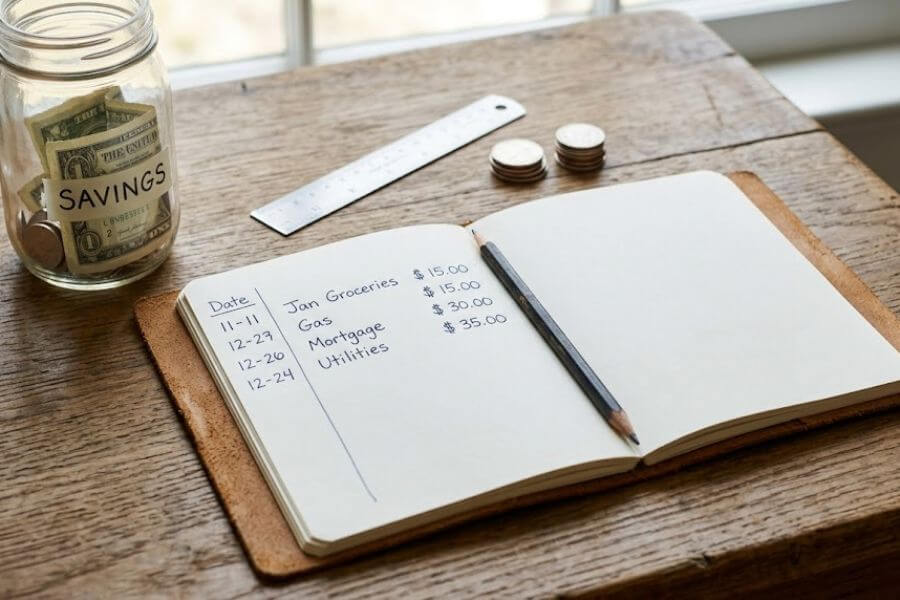
- The Notebook Method: Keep a small notebook in your pocket or bag. Every time you buy a snack, pay for gas, or buy a movie ticket, write it down immediately.
- The Phone Notes Method: Open a blank note on your phone. Put a date at the top and list your purchases as you make them throughout the day.
- The Spreadsheet Method: If you like computers, open a simple spreadsheet. At the end of every day, log into your bank account and type your purchases into different categories.
Categorize Your Expenses
As you track your spending, group your purchases into specific buckets. This helps you see patterns. Do not just write down miscellaneous. Use clear categories like housing, food, transportation, fun, and utilities. By the end of the month, you will see exactly which category is eating up most of your paycheck. This step often surprises people. You might think you spend fifty dollars a month on coffee and snacks, only to find out the real number is closer to two hundred dollars. Seeing the true numbers gives you the power to make changes.
Separating Your Needs from Your Wants
Once you have thirty days of data, it is time to perform financial surgery. High inflation forces you to be honest about what you truly need to live versus what you simply want to enjoy. This is where many budgets fail. People treat their wants as needs, run out of money before the month ends, and then give up on budgeting entirely.
Defining Absolute Needs
An absolute need is something you must pay for to keep your health, your safety, and your job. If you stop paying for this item, your life gets worse very quickly. Here is what fits into this bucket:
- Shelter: Your rent or mortgage payment.
- Basic Utilities: Water, electricity, and heating.
- Food: Basic groceries to feed yourself and your family.
- Transportation: Your car payment, gas, or bus pass to get to work or school.
- Insurance and Medicine: Health insurance and the prescriptions you need to stay well.
Identifying Your Wants
A want is anything that makes your life more fun, comfortable, or interesting, but is not required for survival. This is the first place you cut back when inflation pinches your wallet. Wants include things like eating out at restaurants, subscription streaming services, video games, brand name clothing, and weekend trips.
The Needs versus Wants Comparison
| Expense Item | Is It a Need? | Is It a Want? | How to Adjust During Inflation |
| Apartment Rent | Yes | No | Stay put or look for a roommate to split costs. |
| Dinner at a Restaurant | No | Yes | Cook at home and save dining out for special days. |
| Electricity Bill | Yes | No | Turn off lights and adjust the thermostat to save cash. |
| Movie Streaming Service | No | Yes | Pause the subscription for a few months to save money. |
| Premium Smartphone | No | Yes | Keep your old phone longer instead of upgrading. |
| Weekly Groceries | Yes | No | Stick to a list and buy store brands instead of name brands. |
Adjusting the Classic 50-30-20 Rule for 2026
You may have heard of the 50-30-20 budgeting rule before. It is a famous guide that splits your after-tax income into three neat categories. In normal times, it suggests spending fifty percent of your money on needs, thirty percent on wants, and twenty percent on savings or paying down debt.
However, 2026 is not a normal year. High inflation stretches the cost of your needs, making it almost impossible for many people to stick to that old fifty percent mark. If your rent went up and your groceries cost more, your needs might now take up sixty or sixty-five percent of your income. If you try to force your life into the old framework, your budget will break.
The New Inflation Framework
To make your budget realistic today, you need to shift the percentages. We need to shrink the wants category to give your needs the extra money they demand. Let us look at how you can restructure this rule to match the current economic climate.
- 60 Percent for Needs: This extra ten percent gives you a safety buffer for rising utility bills, higher rent, and expensive groceries.
- 20 Percent for Wants: You still get to have some fun so you do not burn out, but you must be much more selective about where this money goes.
- 20 Percent for Savings and Debt: Do not lower this number if you can avoid it. You need savings now more than ever to protect yourself from future price hikes.
By adjusting the target numbers, you stop feeling guilty that your groceries cost more. You accept that life costs more right now, and you adjust your plan to match reality.
Building an Inflation Cushion Inside Your Budget
When prices rise rapidly, a static budget becomes useless within a few weeks. If you budget exactly one hundred dollars for your electric bill, but a heat wave or a price spike drives it up to one hundred and thirty dollars, your entire plan falls apart. You need to build an inflation cushion directly into your monthly numbers.
An inflation cushion is a specific line item in your budget dedicated to price surprises. Think of it as a mini emergency fund that lives inside your monthly spending plan. Instead of budgeting down to the last penny based on last year’s prices, you deliberately leave a gap.
How to Calculate Your Cushion
Look at the total amount you spend on your variable needs each month. Variable needs are things like gas and food where the price moves up and down. Take that total number and add ten percent to it. If you usually spend four hundred dollars a month on groceries, write down four hundred and forty dollars in your budget.
If prices stay steady that month, great! You can put that extra forty dollars straight into your savings account. But if prices jump, you do not have to panic. Your budget already has the extra money waiting to cover the bill. This cushion keeps you from constantly dipping into your main savings account just to pay for everyday items.
Master Strategies for the Grocery Store
Food is often the place where inflation hurts the most. You have to eat, so you cannot just stop spending money at the grocery store. However, food is also one of the most flexible parts of your budget. With the right strategies, you can feed yourself well without spending all your cash.
Never Shop Without a Plan
Walking into a grocery store without a list is a recipe for a high bill. Before you leave your house, check your fridge and cabinets. See what you already have. Then, plan your meals for the coming week around those items. Write down the exact ingredients you need to buy to finish those meals. When you get to the store, stick to that list like glue. Do not look at the candy aisle, and do not grab extra snacks just because they look good.
Embrace the Store Brands
One of the quickest ways to save twenty to thirty percent on your grocery bill is to stop buying famous name brands. Look at the lower shelves in the store. That is usually where the store brands live. Big companies spend millions of dollars on advertising, and they pass that cost on to you through higher prices. Store brands often taste exactly the same and use the same ingredients, but they cost significantly less because they do not have a famous logo on the box.
Buy Bulk for Long-Term Savings
If you have a little extra money in your budget, buying in bulk can save you a lot of cash over time. Look for non-perishable items or things you use every single day. Buying a large bag of rice, a big box of oatmeal, or a giant pack of toilet paper reduces the cost per unit. Just make sure you actually use what you buy. Buying a massive jar of a sauce you rarely eat is not a deal if half of it ends up in the trash.
Track Your Food Costs
| Grocery Strategy | Expected Savings | Effort Required | Best For |
| Meal Planning | Medium | Medium | Busy families and students |
| Buying Store Brands | High | Low | Everyone looking for quick savings |
| Bulk Buying | High | Medium | Large households with storage space |
| Using Store Apps | Medium | Low | Shoppers who love digital coupons |
Lowering Your Utility Bills Today
Your home costs money even after you pay the rent or mortgage. Utilities like water, electricity, and gas can fluctuate wildly when energy costs rise during inflation. While you cannot control the rates the utility companies charge, you can control how much energy you consume.
Simple Habits for Lower Power Bills
Small changes in your daily routine can add up to noticeable savings on your monthly power bill. Get into the habit of turning off lights when you leave a room. Unplug electronics like TVs, computers, and game consoles when you go out town, as they can draw power even when turned off.
During the summer, set your thermostat a few degrees higher and use fans to stay cool. In the winter, wear a warm sweater and use extra blankets instead of turning the heater all the way up. Washing your clothes in cold water instead of hot water also cuts down on the energy needed to run your washing machine.
Audit Your Digital Utilities
We often forget about our digital utilities, but they cost real money. Look at your internet plan, your phone bill, and your television packages. Call your service providers and ask if they have any new promotions or lower tiers. Often, companies will give you a discount just because you asked, especially if you mention that you are thinking about switching to a competitor. If you pay for high-speed internet but only use it to check emails and watch videos, you might be able to drop down to a lower, cheaper speed without noticing a difference.
Dealing with Transportation and Gas Spikes
Getting to work, school, or the store is a necessity, but transportation costs can quickly drain your budget when inflation hits the oil market. If you drive a car, you know how painful it is to watch the numbers spin at the gas pump. To protect your budget, you need to change how you move around.
Optimize Your Driving Habits
The way you drive affects how much gas your car burns. Aggressive driving, like slamming on the gas pedal and braking hard, wastes fuel. Drive smoothly and stick to the speed limit to get more miles out of every gallon. Also, make sure your car tires are filled to the correct pressure. Under-inflated tires create extra resistance, which makes your engine work harder and use more gas.
Combine Your Trips
Stop driving to the store multiple times a week for single items. Instead, plan a single trip where you accomplish all your errands at once. Map out your route so you are not driving back and forth across town. This saves time and keeps money in your wallet.
Explore Alternative Options
If you live in an area with good public transportation, consider using the bus or train a few days a week. It might take a little longer, but it cuts down on gas costs and wear and tear on your vehicle. If you live close to your school or office, walking or riding a bicycle is a fantastic way to commute for free while getting some exercise. For longer commutes, talk to your coworkers about setting up a carpool. Sharing the cost of gas with two or three other people drops your transit bills instantly.
Managing and Paying Off Debt During Inflation
Debt is dangerous during normal economic times, but it becomes a major threat when inflation runs high. Many credit cards and loans have variable interest rates. This means that as inflation rises, the central bank often raises interest rates to cool down the economy. When that happens, the interest rate on your credit card goes up too, making your debt more expensive every single month.
Focus on High-Interest Debt First
If you have multiple debts, look at the interest rates on each one. Put as much extra money as you can toward the debt with the highest interest rate. This is usually your credit card. Keep making the minimum payments on your other loans, but attack that high-interest debt with everything you have. The faster you wipe it out, the less money you will waste on rising interest charges.
Avoid Moving Balances Around Mindlessly
Be careful with deals that promise to solve your debt problems instantly. Moving money from one card to another can sometimes help if you get a zero percent interest offer, but read the fine print. Often, these offers come with high transfer fees that wipe out your savings. Focus on the core behavior of spending less than you earn and paying down what you owe.
Maximizing Your Income to Match Rising Prices
Cutting your spending is only half of the battle. There is a limit to how much you can cut from your budget because you still need to pay for shelter and food. However, there is no limit to how much money you can potentially earn. To beat inflation, you need to look for ways to increase the amount of cash coming into your home.
Ask for a Raise at Work
If you have been at your job for a while and have a strong track record, it is time to talk to your boss. Prepare a list of the value you have brought to the company over the past year. Show how you have helped the team succeed. Frame the conversation around your performance and your growth within the company.
Start a Side Hustle
The internet makes it easier than ever to earn extra money in your spare time. Look at the skills you already have. Can you tutor younger students in math or science? Can you write articles, design graphics, or manage social media accounts for local businesses? If you prefer physical work, you can offer to mow lawns, walk dogs, wash cars, or help people move furniture on the weekends. Use that extra income exclusively to build your savings cushion or pay down your debts.
Sell Items You No Longer Need
Walk through your room or your home and look for things you do not use anymore. Old video games, clothes that do not fit, electronics, and books can be turned into fast cash. Use online marketplaces or host a garage sale to clean out your space and boost your bank account.
Smart Saving Habits for an Inflationary Environment
Saving money is vital, but where you put your savings matters immensely when inflation is high. If you keep all your extra cash in a traditional savings account at a local brick-and-mortar bank, you might only earn a fraction of a percent in interest. That means your money is actively losing value to inflation every single day.
Look for High-Yield Accounts
Consider moving your emergency fund to an online bank that offers a high-yield savings account. Because online banks do not have to pay for physical branches, they can afford to pay much higher interest rates to their customers. While these accounts might still not fully beat high inflation, they do a much better job of protecting your purchasing power than a standard account. Your money stays safe, it remains easy to access in an emergency, and it grows much faster.
Automate Your Savings
The best way to ensure you save money every month is to take the decision out of your hands. Set up an automatic transfer through your bank. Every time you get paid, have a set amount of money move automatically from your checking account into your savings account. If you never see that money in your main account, you will not be tempted to spend it on your wants.
How to Review and Refine Your Budget Weekly
A budget is not a document you write once and look at a year later. It is a living plan that needs constant care. During periods of high inflation, a monthly check-in is not frequent enough. You need to review your numbers every single week.
The Sunday Money Minute
Pick a day of the week, like Sunday evening, to spend fifteen minutes reviewing your budget. Look at what you spent over the past seven days. Compare your actual spending to the targets you set at the start of the month.
If you notice that you spent almost your entire grocery budget in the first two weeks of the month, you know you need to eat lighter or rely on pantry items for the remaining weeks. Catching these trends early stops you from ruining your entire month. It allows you to make minor course corrections before a small over-spend turns into a massive financial problem.
Stay Flexible and Patient
Remember that budgeting is a skill, and like any skill, it takes time to get good at it. You will make mistakes. You will have weeks where an unexpected expense pops up and blows your numbers out of the water. Do not get discouraged and throw your plan away. Forgive yourself, adjust your numbers for the next week, and keep moving forward. The goal is progress, not perfection.
Staying Positive and Avoiding Money Burnout
Budgeting during inflation can feel emotionally draining. It is frustrating to work hard and feel like you are not getting ahead because things cost more. This can lead to money burnout, where you get so tired of thinking about cash that you stop caring entirely and go on a spending spree. To avoid this, you need to manage your mindset just as much as your money.
Celebrate Small Financial Victories
Do not wait until you are completely debt-free or have thousands of dollars in the bank to celebrate. Give yourself credit for the small wins along the way. Did you successfully stick to your grocery list this week? That is a victory. Did you resist buying a pair of shoes you did not need? Celebrate that choice. Acknowledging your good habits builds momentum and makes it easier to stay on track.
Keep Some Fun in Your Budget
A budget that cuts out every single ounce of joy is a budget that will fail. If you try to live like a robot who only buys shelter and basic food, you will eventually snap. That is why your adjusted rule still includes a dedicated percentage for your wants. Use that money guilt-free on things that truly make you happy. Whether it is a streaming service you love or a regular night out with friends, keeping small rewards in your life gives you the mental strength to stay disciplined with the rest of your money.
Frequently Asked Questions
What is the single most important part of budgeting during inflation?
The most critical part of budgeting when prices are rising is flexibility. You cannot treat your budget as something set in stone. Because the costs of everyday items change quickly, you must check your numbers often and be willing to adjust your spending targets to match the reality of current store prices.
Should I stop saving money entirely if my bills are too high?
No, you should not stop saving. In fact, having an emergency fund is even more important when inflation is high because emergencies will also cost more money. Even if you can only save five or ten dollars a week, keeping the habit alive creates a safety net that protects you from falling into high-interest debt when unexpected expenses happen.
How do I talk to my family or roommates about cutting back?
Be open, honest, and direct. Gather everyone together and explain that because prices have gone up at the store and on utility bills, the group needs to work together to keep costs down. Turn it into a team challenge rather than a punishment. Focus on shared goals, like finding creative ways to cook at home or reducing home energy use.
Is it better to pay off debt or build my savings first right now?
It is generally best to do both at the same time by striking a balance. First, build a small emergency fund of one thousand dollars so you do not have to use a credit card if something goes wrong. Once you have that starter safety net, focus most of your extra cash on paying off variable high-interest debt, as those interest rates can rise and become more expensive during inflationary periods.
What should I do if my income simply does not cover my basic needs?
If you have cut all your wants and your income still does not cover your absolute needs, you have an income problem rather than a spending problem. You need to focus your energy on increasing your cash flow. Look for a higher-paying job, ask for more hours at your current workplace, take on a temporary side hustle, or reach out to local community assistance programs for short-term support with food or utilities.