Key Takeaways for Digital Wallet Safety
Before diving into the deep waters of cryptocurrency, memorize these vital rules to keep your digital coins safe from thieves:
- Guard Your Secret Recovery Phrase: Your seed phrase is the ultimate master key to your money. Never type it on a computer, never take a picture of it, and never share it with anyone.
- Double-Check Every Address: Criminals use malicious software that replaces copied wallet addresses with their own. Always verify every letter and number before hitting send.
- No Free Lunch Exists: If a project promises to double your money, offers free tokens out of nowhere, or claims guaranteed high returns, it is a trick to rob you.
- Verify the Source: Scammers mimic famous brands, support agents, and web leaders. Always look at the spelling of website names and social profiles very closely.
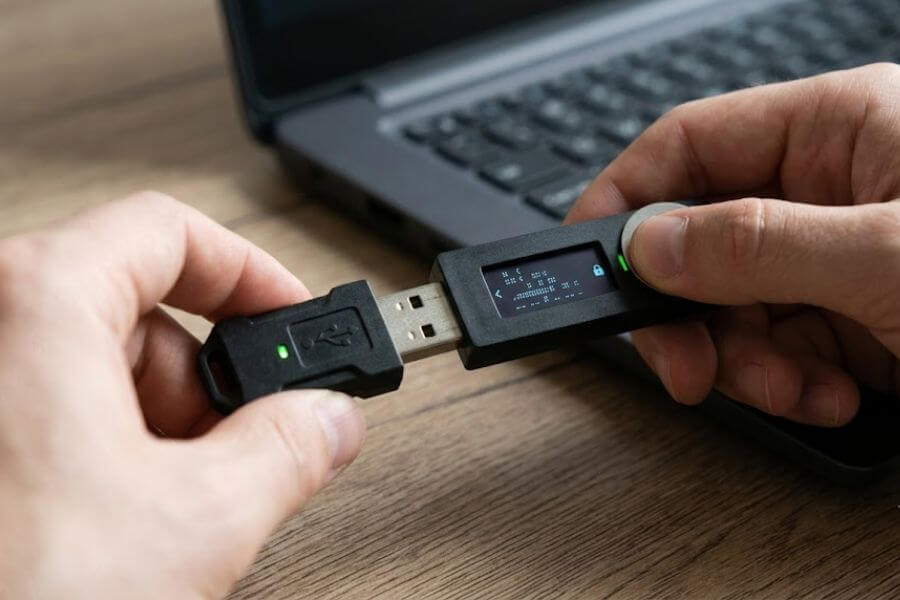
- Use Hardware Wallets: Keep the bulk of your funds on a physical device that stays disconnected from the internet. This blocks online thieves from reaching your savings.
The world of digital money moves fast, brings massive excitement, and offers a glimpse into how we might buy things tomorrow. But because cryptocurrency allows people to send funds across the globe in seconds without a bank, it has also become a gold mine for clever thieves. Unlike a traditional bank account, if a thief steals your cryptocurrency, there is no customer service number to call and no way to reverse the transaction. Once your coins leave your wallet, they are gone forever. Learning how to spot these traps before you fall into them is the single most important skill you can build as you explore this new terrain.
The Psychology Behind Cryptocurrency Traps
Thieves do not just hack computers; they hack human minds. Understanding the emotional tricks they use is your first line of defense.
The Power of Fear and Urgency
Scammers love to make you feel like you are running out of time. They might send an alert saying your account will be frozen in ten minutes unless you click a link, or they might claim a new coin is about to skyrocket in price and you must buy right now. When you feel rushed, your brain stops thinking clearly, and you are much more likely to make a mistake.
Exploiting the Desire for Success
Everyone wants to build a comfortable life, and the stories of overnight crypto millionaires make people believe it can happen to them too. Fraudsters feed on this hope by creating fake opportunities that look real enough to trust, convincing you that this is your rare chance to strike it rich.
Creating Fake Social Proof
People tend to follow the crowd. If you see hundreds of comments on a social media post praising a new investment project, your brain naturally thinks the project must be safe. Thieves use automated computer programs, known as bots, to write thousands of fake positive reviews, likes, and testimonies to make their traps look completely legitimate.
The Fake Cryptocurrency Exchanges and Malicious Trading Software
One of the most common ways people lose their funds is by putting their money directly into a platform built by criminals.
How Fake Platforms Operate
A fake trading platform looks identical to a real one. It will show moving price charts, user dashboards, and fake balances that make you believe your money is growing. When you deposit your cash, the platform might even show that you made a huge profit. The trap springs when you try to take your money out; suddenly, the system demands high fees, or your account gets locked completely.
Spotting a Fraudulent Trading Site
You must look closely at the web link in your browser. Criminals often buy web names that look almost exactly like famous sites but have one letter swapped or added. For example, they might use an extra letter or replace a lowercase letter “L” with a number “1”. If the site layout feels clunky, contains spelling mistakes, or forces you to deposit money quickly, close the tab immediately.
Comparing Legitimate Platforms and Trap Sites
| Feature of the Platform | Real Cryptocurrency Exchange | Fake Scam Trading Site |
| Web Address Security | Uses exact, verified domain names with proper certificates. | Uses slightly altered spellings or strange domain extensions. |
| Withdrawal Process | Simple, standard processing times with clear, flat fees. | Demands surprise taxes or upfront fees before you can withdraw. |
| Customer Support | Provided through official help centers and ticket systems. | Conducted via random chat apps like Telegram or WhatsApp. |
| Promises of Profit | Warns users about market risks and potential losses. | Claims you will get rich with zero risk of losing money. |
| App Store Presence | Listed under official developer accounts with high download counts. | Distributed via direct web downloads or sketchy third-party links. |
Phishing Tactics and Imposter Accounts
Phishing is the act of tricking someone into giving away secret keys or personal information by pretending to be a trusted business.
Direct Messages from Fake Help Desks
If you post a question on an online forum about a problem you are having with your digital wallet, fake support accounts will swarm your inbox within seconds. They often use the logo of the wallet company and sound professional. They will tell you that to fix your issue, you need to click a link and type your secret recovery phrase. Real companies will never ask for this phrase.
Corrupted Search Engine Advertisements
When you search for your wallet provider on the internet, the top results are often paid advertisements. Thieves pay for these ad spots and link them to fake websites that look exactly like your real wallet login page. If you type your passwords or secret phrases into that fake page, the thieves instantly grab them and drain your real account.
E-mail Alerts and Fabricated Security Scares
You might get an urgent message saying your wallet was accessed from another country. The message tells you to click a button immediately to secure your funds. This button leads to a fake site designed to capture your login details. Always type the real website link directly into your browser rather than clicking links inside messages.
High-Yield Investment Programs and Ponzi Schemes
These old financial frauds have found new life in the digital age, using complex words to hide the fact that they are just stealing from Peter to pay Paul.
The Mechanics of a Digital Ponzi Scheme
A Ponzi scheme promises that if you give them your money, their expert team or advanced computer systems will trade it and give you massive daily payouts. In reality, there is no trading happening. The scammers take money from new users and use a small part of it to pay older users. This makes the system look like it works perfectly, encouraging everyone to invest even more money until the whole thing collapses.
Signs of a Guaranteed Return Trap
The digital asset markets go up and down constantly. No one can predict the future, and no one can promise a stable profit every day. If a project claims you will earn a set amount of money every single week without fail, it is a lie. True investments carry risk, and any project that denies this fact is a fraud.
The Community Recruitment Push
Because these systems need a constant stream of new money to stay alive, they offer big bonuses if you convince your friends and family to join. If a project focuses heavily on recruiting new members rather than explaining how its core technology actually works, you are looking at a classic pyramid trap.
Rug Pulls and Deceptive Token Projects
In the world of decentralized finance, anyone can create a brand-new token in a matter of minutes. This freedom allows creative developers to build amazing projects, but it also allows thieves to create elaborate traps.
The Anatomy of a Classic Rug Pull
A rug pull happens when developers build a new token, hype it up on social media to drive the price sky-high, and then suddenly sell all of their own massive holdings at once. This instantly drains all the value out of the project, leaving everyday buyers holding tokens that are worth absolutely zero.
Artificial Liquidity Extraction
To understand this trap, you must know that digital tokens need a pool of funds so people can buy and sell them. Developers will often promise that they have locked up this pool so it cannot be touched. If they lie or leave a back door in the computer programming code, they can pull all the real money out of the pool, leaving you unable to sell your tokens to anyone.
Spotting Red Flags in Token Code and Materials
- Vague Project Blueprints: The project plan, often called a whitepaper, is filled with hype words but never explains what problem the token actually solves.
- Anonymous Team Members: The creators use fake cartoon avatars and fake names, making it impossible to check their past work history or professional background.
- Highly Concentrated Ownership: Public record books show that one or two digital wallets hold almost all the tokens in existence.
- The Inability to Sell: The code is written so that everyday users can buy the token, but only specific developer wallets have permission to sell it.
Giveaways and Celebrity Impersonators
Social media platforms are packed with live streams and posts featuring famous billionaires, tech leaders, or crypto founders claiming to host massive charity giveaways.
The Double Your Money Video Tricks
Scammers will take old video clips of famous people speaking at real conferences and stream them on platforms like YouTube or video sharing networks. They overlay text on the video that says: “Send any amount of cryptocurrency to this address, and we will send double the amount back to you to celebrate our new project.”
Why People Fall for the Bait
The live streams often have tens of thousands of viewers, which makes them seem real. However, these viewers are actually fake computer accounts bought by the scammers to trick you. People see the famous face, see the high viewer count, and let their guard down, sending away their hard-earned coins.
The Immutable Reality of Blockchain
Once you send your coins to that giveaway address, the network processes the transaction. Because blockchain networks are permanent and unchangeable, no power on earth can pull those coins back. The giveaway wallet simply collects funds from thousands of victims and then distributes them to other hidden accounts owned by the thief.
Romance Schemes and the Pig Butchering Trap
This slow-paced fraud relies on building deep emotional bonds with victims over weeks or months before taking their money.
How the Emotional Trap Begins
The scam usually starts with a text message that seems like a mistake, such as: “Are we still meeting for lunch today?” When you reply that they have the wrong number, the sender politely apologizes and tries to start a friendly conversation. Over time, they text you every day, showing great interest in your life, sharing nice photos, and becoming a trusted online friend or romantic interest.
The Pivot to Digital Investments
Once you trust them completely, they casual mention how they are making a lot of money trading digital assets. They tell you that their wealthy uncle or an expert advisor gives them secret tips. They offer to guide you step-by-step so you can make money too, directing you to download a specific trading app.
The Fattening and the Slaughter
The app they make you download is a fake platform controlled by the scammer. They encourage you to start with a small amount of money. The app shows your money growing fast, and they even let you withdraw some cash once to prove it is real. This builds your confidence, leading you to deposit your entire life savings. When you try to withdraw your large balance, the trap shuts down. They demand massive fees, accuse you of money laundering, lock your account, and the person you trusted disappears completely.
Dusting Attacks and Ledger Exploits
Not all traps require you to click a link or send money; some happen silently inside your own digital wallet app.
What is a Dusting Attack?
Thieves will send tiny fractions of a cryptocurrency token, known as dust, to thousands of random public wallet addresses. These amounts are so small that you might not even notice them at first glance.
The Purpose Behind the Tiny Deposits
The goal of a dusting attack is not to steal your money directly, but to track your wallet movements. By watching how you spend or move those tiny pieces of dust along with your other coins, analytical computer programs can map out your entire network of wallets. This strips away your privacy and helps hackers figure out who you are in the real world so they can target you with custom phishing campaigns or physical extortion.
Hidden Token Malicious Approvals
Sometimes, you might open your wallet and see a large amount of a strange new token that you never bought. Excitement might make you want to swap it for a well-known coin on a trading site. However, when you connect your wallet to that site to trade the mystery token, a message pops up asking you to approve a transaction. If you click approve without reading the fine print, you are actually giving the site permission to empty your entire wallet of its real, valuable assets.
SIM Swapping and Mobile Phone Account Vulnerabilities
Your digital wallet is only as secure as the phone number and email address connected to your online life.
The Mechanics of a SIM Swap
A SIM card is the small chip inside your mobile phone that connects it to your cellular network. In a SIM swap attack, a thief calls your mobile phone service provider and pretends to be you. They might claim they lost their phone and need to activate a new SIM card. They use personal details gathered from your public social media pages to answer the security questions.
Gaining Entry to Your Digital Vault
Once the cellular company believes the lie, they route your phone number to the thief’s device. Now, your real phone loses all service, and the thief receives all your text messages and phone calls. If you use text messages to receive security codes for your crypto accounts, the thief can reset your passwords, pass the security checks, and log into your exchanges to steal your funds.
Securing Your Mobile Connectivity
- Remove Phone Numbers from Exchanges: Do not use your mobile phone number as a way to recover your email or exchange accounts.
- Deploy App-Based Security Systems: Use security apps that generate fresh codes every thirty seconds directly on your physical phone, rather than relying on text messages.
- Establish Account Passwords: Call your cellular provider and demand that a custom secret password or PIN be added to your account before any changes can ever be made to your service.
Malicious Software and Browser Extension Hazards
When you download files or add tools to your web browser, you might be opening the front door for digital thieves.
Clipboard Alteration Programs
This sneaky software sits silently on your computer and watches what you copy. When you copy a long crypto wallet address to your clipboard, the software instantly detects it and replaces it with the thief’s wallet address. If you do not read the address carefully before hitting send, you will accidentally deliver your coins straight to the criminal.
Counterfeit Browser Wallets
When searching for popular software wallets that live inside your web browser, you will find many options in the extension web stores. Thieves upload fake versions that use the same logos and descriptions as real ones. Once you set up the fake wallet and type your secret recovery phrase into it, the software beams that phrase straight to the hacker’s computer.
Safe Computing Practices for Digital Asset Holders
| Digital Safety Area | High Risk Behavior | Secure Defense Behavior |
| Software Downloads | Clicking links on search engines or downloading from forums. | Typing the official website link directly into the address bar. |
| Public Network Usage | Checking your wallet or trading while connected to coffee shop Wi-Fi. | Using a encrypted private connection or mobile data hot-spots. |
| Address Verification | Copying an address and assuming it pasted perfectly into the box. | Reading the first ten and last ten characters out loud to verify. |
| Device Selection | Using the same computer for gaming, downloading movies, and crypto. | Using a dedicated, clean device solely for financial transactions. |
Smart Contract Vulnerabilities and Dangerous Permissions
Decentralized applications use smart contracts, which are self-executing programs on the blockchain, to let you trade, borrow, or earn rewards. But interacting with them carries hidden structural risks.
Unlimited Token Spending Rights
When you interact with a web-based financial app, it will ask for permission to access the tokens in your wallet. To make things convenient, many apps ask for unlimited spending rights so you do not have to approve a new message every single time you want to make a trade. If that app gets hacked later, or if the owners turn out to be crooks, they can use that unlimited permission to pull every single coin out of your account without your input.
Intricate Programming Exploits
Even well-meaning developers can make mistakes when writing computer code. Clever hackers spend day and night searching for tiny errors in these smart contracts. When they find one, they can trigger a glitch that drains all the money stored inside the app’s ecosystem, including funds deposited by everyday users.
Maintaining Your Contract Connections
You should regularly audit your wallet permissions using special clean-up tools provided by trusted block explorers. These tools show you every site that has permission to touch your coins. If you see an old project you no longer use, or a site you do not remember visiting, click the button to revoke their access immediately.
Step-by-Step Recovery Plan If You Fall Victim to an Attack
If you notice that your funds have been stolen or that your wallet has been compromised, you must act within seconds to protect whatever remains.
Move Extant Assets Instantly
If you suspect someone has your secret recovery phrase or has gained access to your software, your current wallet is permanently dead. Do not use it ever again. Immediately download a fresh wallet app on a completely different device, generate a brand-new secret phrase, and transfer any remaining coins to that new safe location before the hacker takes them.
Sever All Digital Lifelines
Log into your email and cryptocurrency exchange accounts from a clean device. Change all your passwords to long combinations of letters, numbers, and symbols. Terminate all active login sessions across all devices to force anyone else out of your accounts, and remove any trusted API keys that could allow automated programs to trade on your behalf.
Document and File Official Reports
Take screenshots of the thief’s wallet address, the transaction ID numbers on the public ledger, and any messages or emails you exchanged with the scammer. File a comprehensive report with your local cybercrime law enforcement agency and the national fraud reporting system in your country. While local police might not be able to get your coins back, tracking these crimes helps global agencies shut down the massive server networks used by international rings.
Essential Digital Safety Checklist
To make sure your security setup is bulletproof, go through these steps regularly to check your digital defenses:
- My secret recovery phrase is written down on paper or stamped on metal, not stored on any phone, computer, or cloud account.
- I have disabled text message security codes on all my crypto exchange accounts and replaced them with an app-based authentication system.
- I have set up a custom security pin with my mobile network provider to protect my SIM card from being stolen.
- I use a separate, dedicated email address for my financial accounts that is completely separate from my daily social media accounts.
- I check my active smart contract permissions at least once a month and clear out any platforms that I do not actively use.
- I never click on sponsored ad links when searching for cryptocurrency sites or web-based wallets.
- I read the exact wallet address characters carefully on my screen before confirming any digital money transaction.
Frequently Asked Questions About Cryptocurrency Safety
Can my crypto wallet be hacked if I never share my secret recovery phrase with anyone?
Yes, your wallet can still be compromised through other entry points. If you download a virus or a malicious file onto your computer, hackers can log your keystrokes, steal your browser files, or capture your master passwords. Additionally, if you connect your wallet to a malicious website and grant it unlimited spending permissions, that site can empty your account without ever needing to know your secret recovery phrase. Security requires protecting your whole computer, not just your seed phrase.
What should I do if a famous social media account posts about a high-paying crypto opportunity?
You should treat the post with extreme skepticism. High-profile social media accounts are hacked by criminals every single day. Once inside, the hackers post fake investment opportunities or giveaway links to catch followers off guard. Before trusting any major announcement, check multiple independent news sites and the project’s official website to see if the news is real. If it sounds too incredible to be true, it is almost certainly a trap.
Is it safe to store all my digital coins on a large, well-known cryptocurrency exchange?
Keeping your assets on a major exchange is convenient for trading, but it means you do not have true ownership of your coins. You are trusting the exchange to guard your money. If the exchange goes out of business, experiences a massive internal hack, or freezes your account for security checks, you lose access to your funds. For daily trading, keep small amounts on the platform, but store your long-term savings in a private wallet where you control the private keys.
Can I reverse a cryptocurrency transaction if I figure out that I sent money to a scammer?
No, blockchain networks are designed to be completely permanent. No central company, government, or bank has the power to reverse a transaction or pull funds out of a wallet. Once you authorize a transfer and it gets recorded on the public ledger, those coins are gone. The only way to get them back is if the person who received them chooses to send them back to you, which a thief will never do.
How can I tell the difference between a real project update email and a phishing trap?
Real companies will never send you an email demanding that you click a link to verify your secret phrase, activate your wallet, or unlock your frozen funds. Look closely at the sender’s email address by clicking on their name; scammers will use names that look close to the real brand but end in strange web extensions. If you receive a scary or urgent message, ignore the email completely, open a fresh browser tab, and go directly to the company’s official website to contact their real support team.